
What Ruins a Concrete Driveway? A Concreter’s Guide to Avoiding Costly Damage
After 15+ years pouring and repairing concrete driveways around Auckland, I can tell you this:
concrete rarely fails on its own.
It’s almost always something done to it, or something NOT done, that causes problems.
If you’re starting to see cracks, flaking, sinking or ugly patches on your driveway, you’re not alone. I’ve repaired hundreds of driveways that were ruined long before their time—many of them less than 10 years old.
Here are the top things that ruin a concrete driveway, and how to stop the same thing happening to yours.
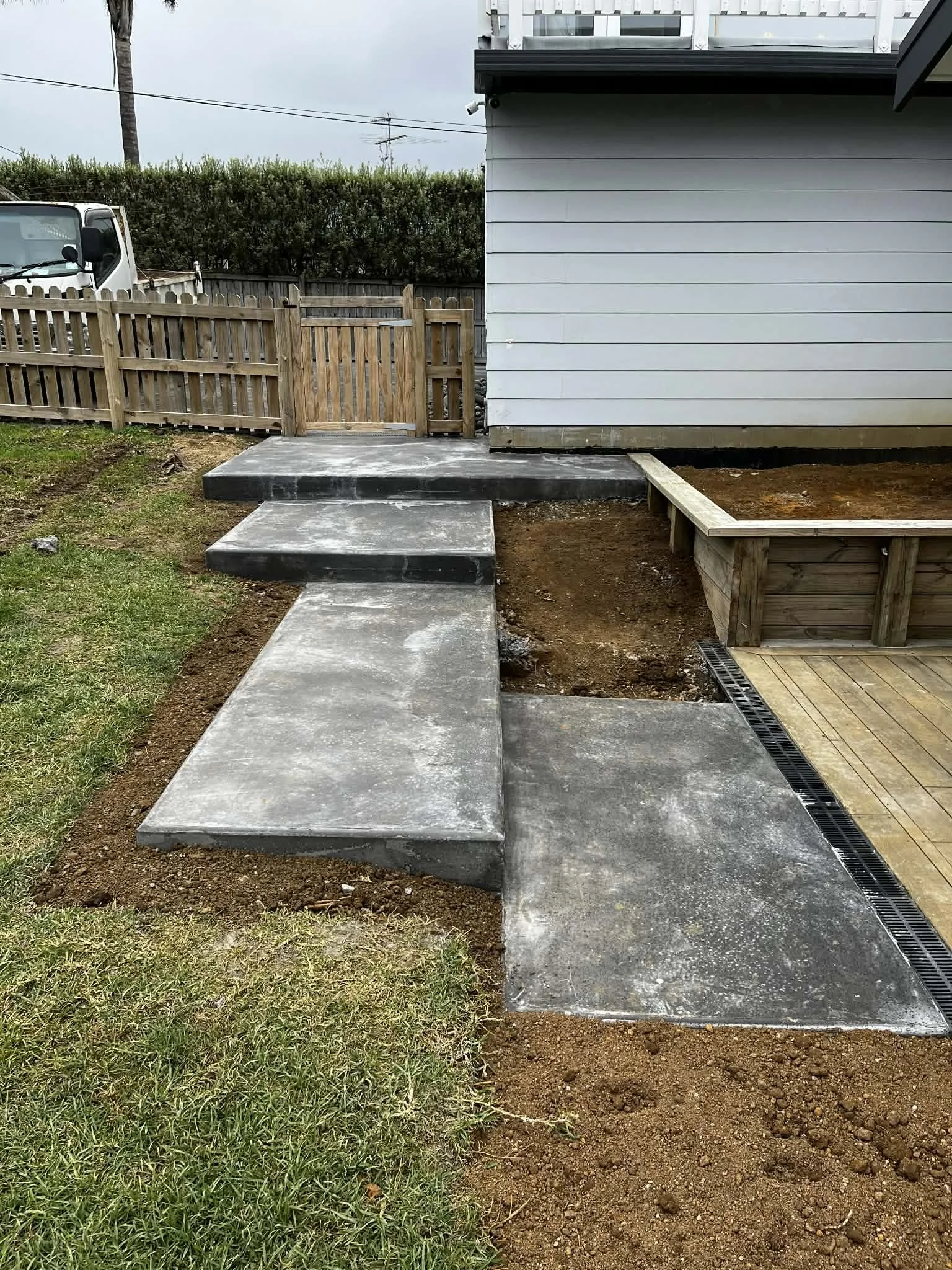
1. A Poor Sub-Base
(The #1 Reason Most Driveways Fail)
Most homeowners never see the layers under their driveway—and that’s exactly why things go wrong.
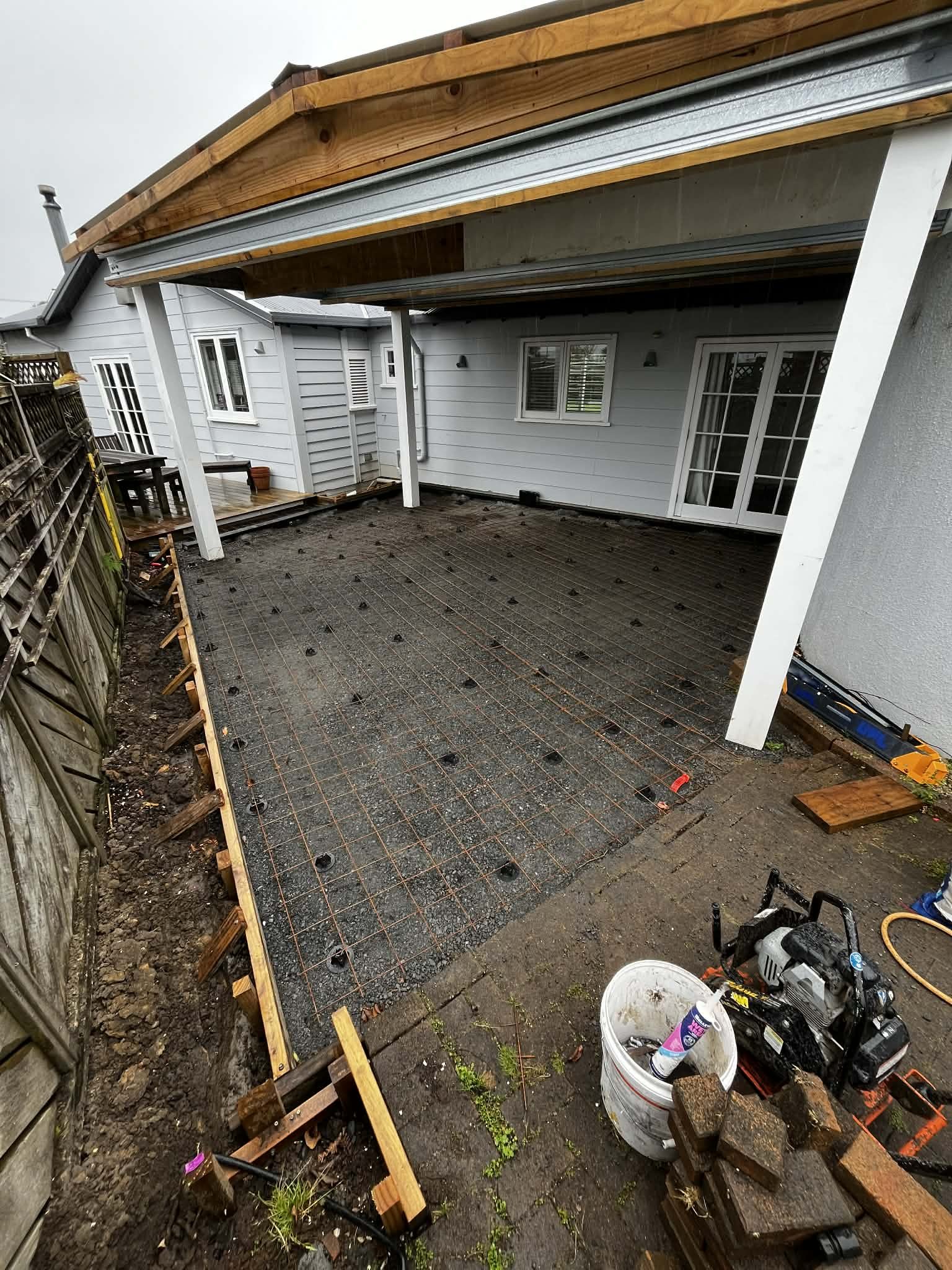
A concrete driveway is only as good as the base it sits on.
If the ground wasn’t compacted properly, or the wrong material was used, you’ll eventually see:
sinking sections
trip lips
long cracks
pooling water
Personal experience:
I once replaced a 3-year-old driveway in West Auckland that looked like it had been through an earthquake. The problem had nothing to do with the concrete itself, the contractor poured straight onto soft clay. No compaction. No metal. No stabilisation.
It didn’t stand a chance.
2. Heavy Vehicles & Overloading
Concrete driveways are durable—but not indestructible.
If your driveway isn’t designed for heavy loads, parking:
trucks
campervans
work vans
trailers
skip bins
…will cause stress cracks and premature wear.
Tip:
Ask your concreter to increase thickness from 100mm to 125–150mm if heavy vehicles will use the driveway. It costs slightly more but saves thousands later.
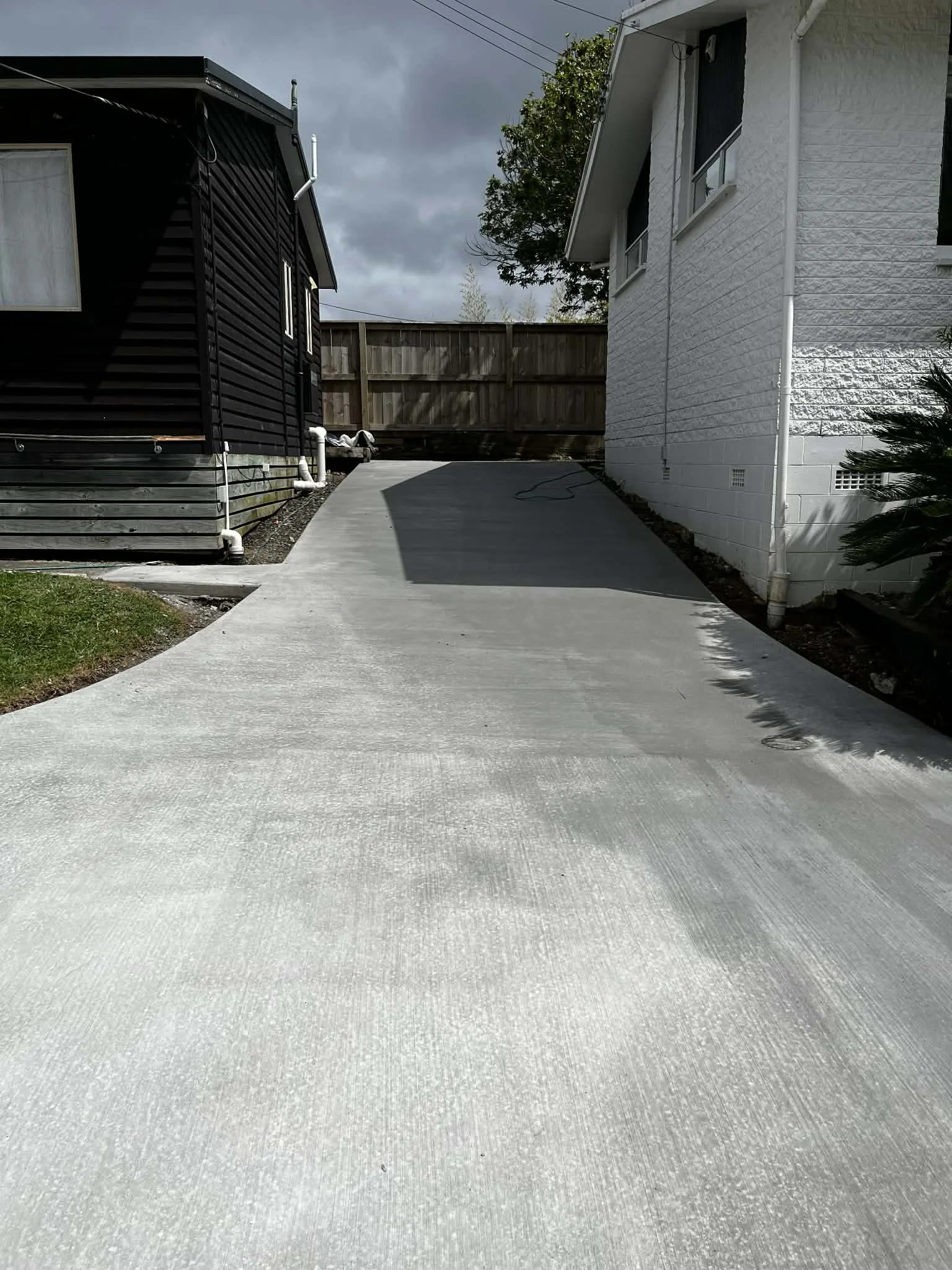
3. Poor Concrete Mix or Bad Weather Conditions
The mix matters.
So does the weather.
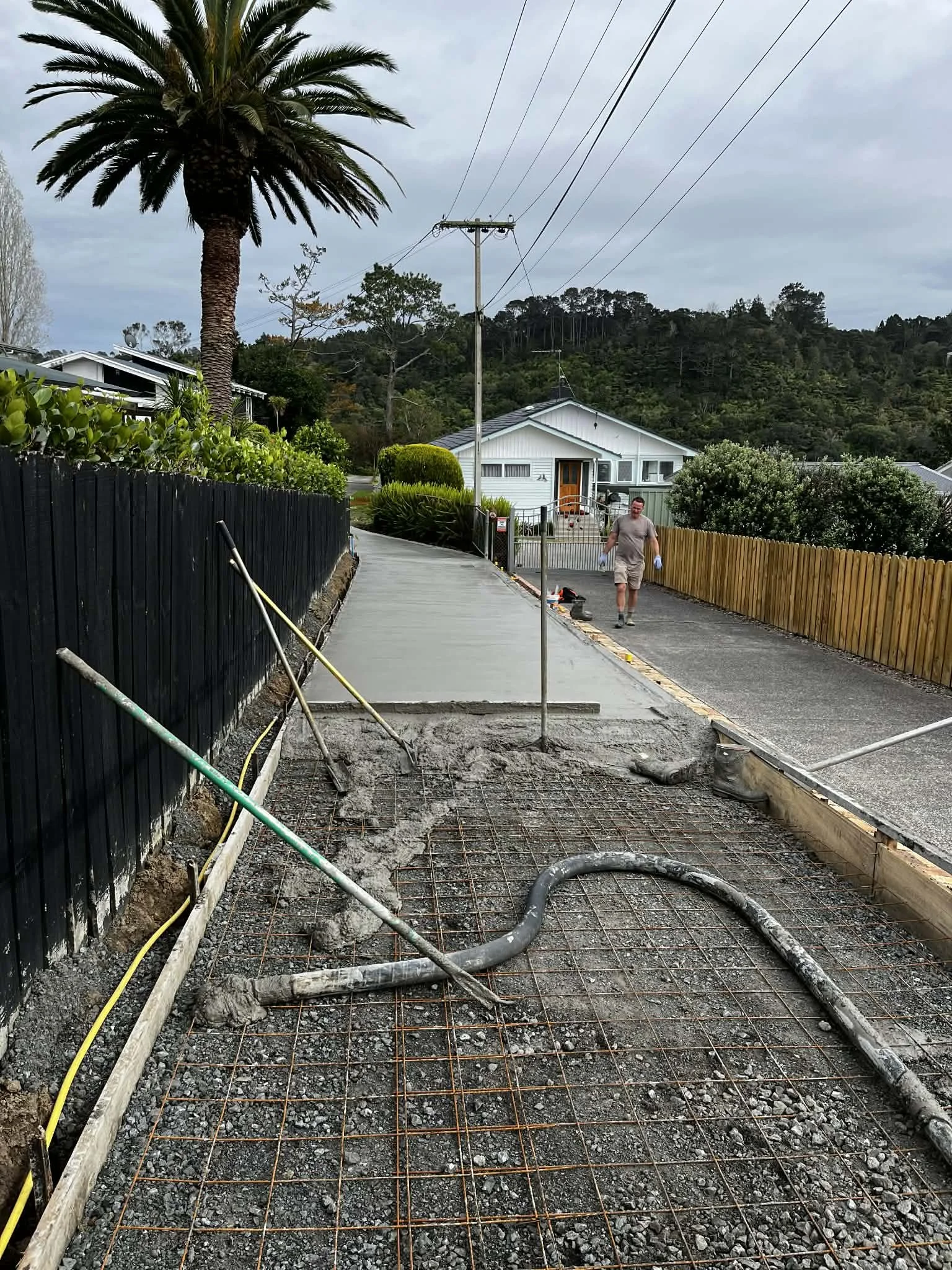
Concrete poured in the rain, placed too dry, cured too fast, or finished too early will:
dust
flake
spall
crack
lose strength
💬 Case study:
I was called to fix a driveway where the surface looked like Weet-Bix. The contractor added water on top to “make it easier to finish.” That weakens the top layer, and within one winter it started coming off in sheets.
4. Lack of Sealing and Maintenance
Concrete is porous. If it’s not sealed:
water seeps in
mould grows
stains soak
freeze-thaw damage (if applicable) occurs
the surface erodes over time
A $300–$500 sealing job can extend a driveway’s lifespan by 10+ years.
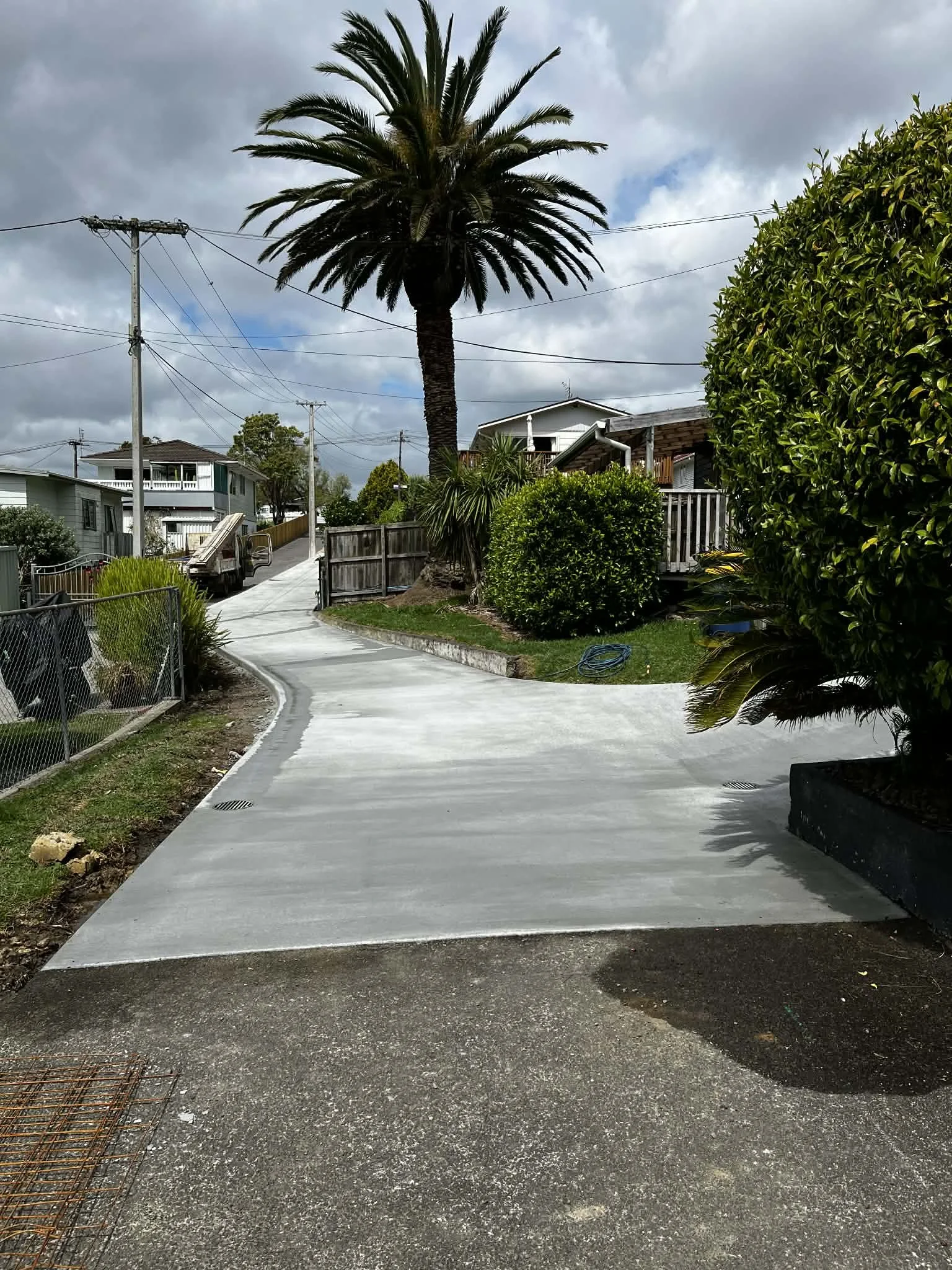
5. Tree Roots
Trees are beautiful—but their roots destroy concrete.
Roots push up slabs, create trip hazards, and open deep cracks.
Pro tip:
A concreter can install a root barrier or redesign the layout to avoid future problems. Do this early—it’s 10x more expensive to fix later.
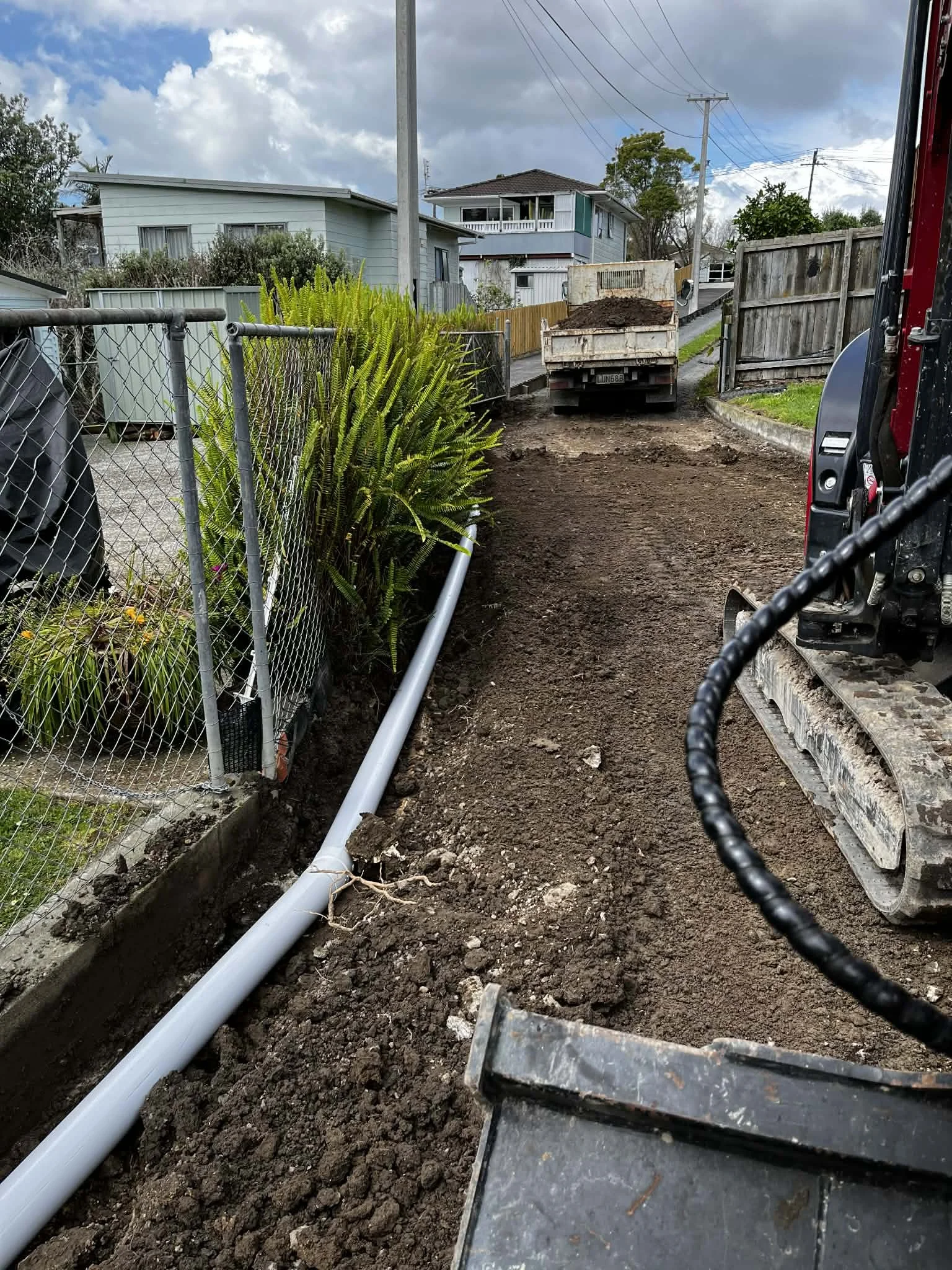
6. Using De-Icing Salts - This doesn’t come up for us much in Auckland!
Chemical salts aggressively break down concrete’s surface layer.
If you’re in a frost-prone area, use sand instead of salt.
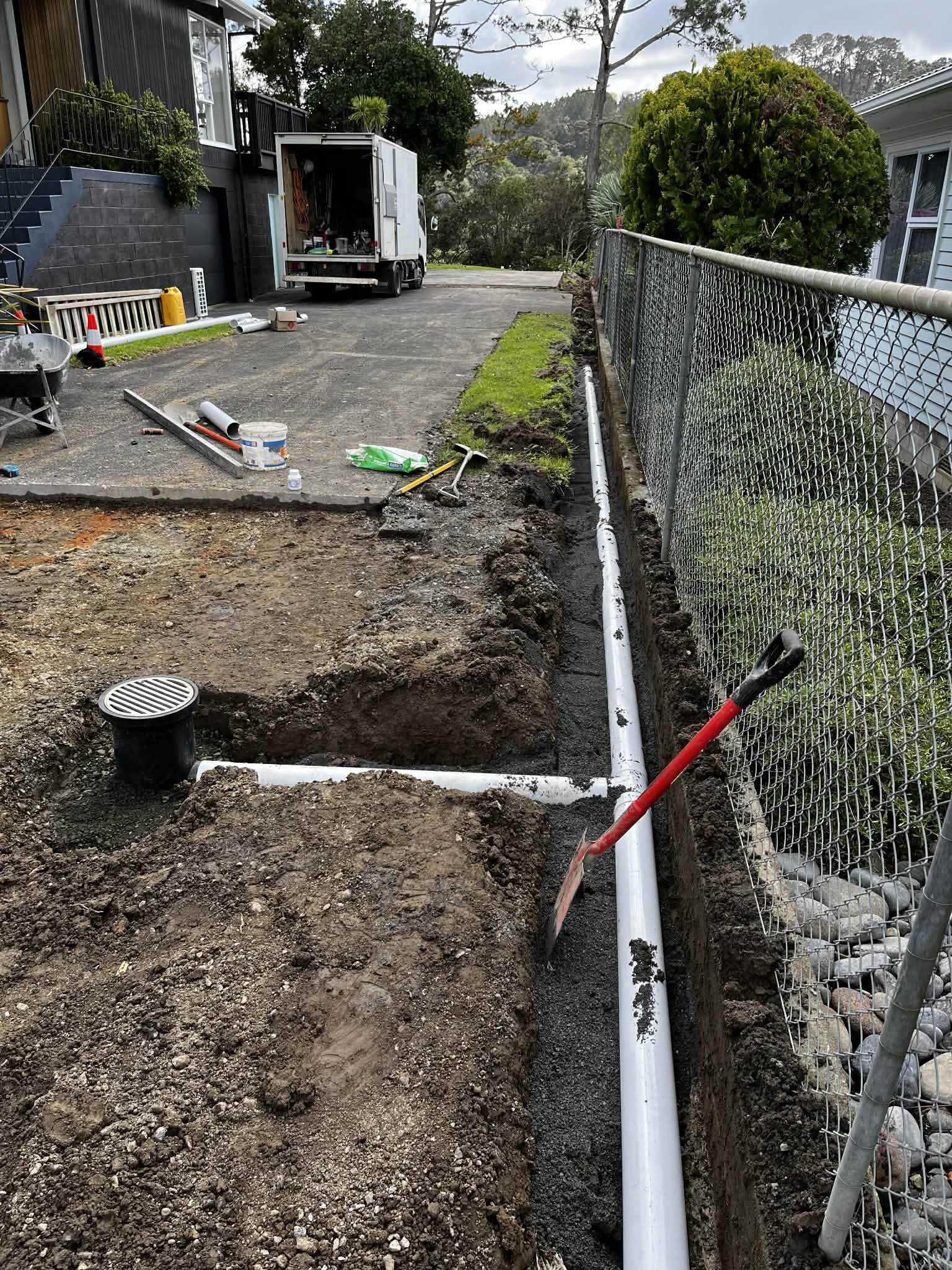
7. Bad Drainage
Water is concrete’s biggest enemy.
Signs of drainage problems:
puddles
erosion around edges
undermining
moss growth
I always recommend adding channels, falls, or strip drains when the slope isn’t right.
The Life Expectancy of a Concrete Driveway
A well-built concrete driveway should last:
👉 25–40 years
(With sealing and maintenance, sometimes 50+)
A poorly built one?
I’ve seen some fail in 2–5 years.
Should You Repair or Replace a Damaged Concrete Driveway?
If the problem is surface-level—like minor cracks or spalling—you can often:
resurface
grind
patch
reseal
But if the driveway is sinking, breaking apart, or the sub-base is the issue, replacement is usually the smarter long-term option.

Need Advice or a Quote?
If you’re in Auckland and want a driveway that won’t fail early, I’m happy to take a look—no pressure, no sales pitch.
What ruins a driveway is preventable when you know what to look for, and I’ve seen every cause, mistake, shortcut and problem there is.
